
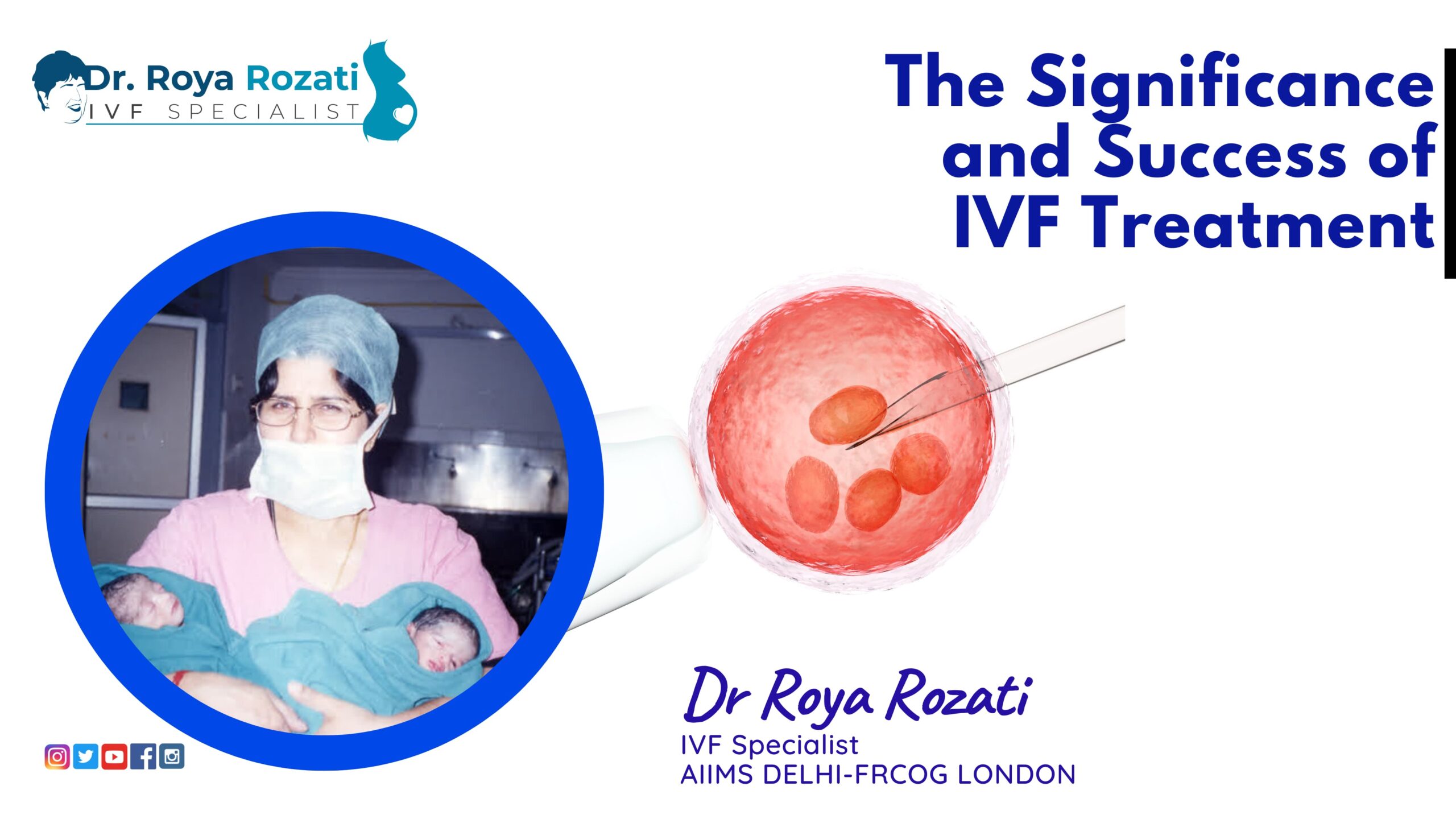
Dr. Roya Rozati: IVF Specialist with 37+ years of experience, FRCOG London, AIIMS Delhi, ART Chief at Mhrt Hospital, Banjara Hills, Hyderabad.
Introduction
The dream of parenthood is a cherished aspiration for many, but for some, achieving this dream can be accompanied by the challenges of infertility. In such cases, In Vitro Fertilization (IVF) stands as a remarkable medical breakthrough, offering hope to couples who desire to build their families. In this article, we will explore the importance of IVF treatment and the effective methods through which it can lead to the fulfillment of this cherished dream.
Understanding IVF
In Vitro Fertilization (IVF) is an advanced assisted reproductive technology that enables couples facing infertility to conceive a child. This intricate procedure involves the fertilization of an egg with sperm outside the human body, resulting in the creation of an embryo. The resulting embryo is then carefully nurtured and, when ready, transferred into the woman’s uterus, where it can implant and develop into a pregnancy.
The Significance of IVF
1. Overcoming Various Fertility Challenges: IVF has been a beacon of hope for couples facing a myriad of fertility challenges. Whether it’s due to male or female infertility, unexplained infertility, or other medical conditions, IVF offers a versatile solution.
2. Success Rates: IVF boasts a relatively high success rate when compared to other fertility treatments. Advances in technology and medical knowledge continue to improve these rates, making IVF an attractive option for those struggling with infertility.
3. Genetic Testing: IVF provides the opportunity for pre-implantation genetic testing (PGT), which can help identify and select embryos free of genetic disorders, increasing the chances of a healthy pregnancy.
Effective Methods for Optimizing IVF
1. Comprehensive Fertility Assessment: Before embarking on the IVF journey, a thorough assessment of both partners is essential. This helps identify any underlying factors that may affect the success of the treatment.
2. Customized Treatment Plans: Each couple’s situation is unique. A personalized treatment plan that addresses their specific fertility challenges and needs is crucial for achieving the best results.
3. Ovulation Induction: In many cases, the woman’s ovaries are stimulated to produce multiple eggs, increasing the chances of fertilization.
4. Sperm and Egg Quality: Ensuring optimal sperm and egg quality is essential. Donor sperm or eggs may be considered in cases of severe infertility.
5. Embryo Culture and Selection: Once the embryos are created, they are cultured in a controlled environment, and the best-quality embryos are selected for transfer.
6. Emotional and Psychological Support: IVF can be emotionally taxing. Support from mental health professionals and support groups can help individuals and couples navigate the emotional challenges associated with fertility treatments.
7. Lifestyle Factors: Maintaining a healthy lifestyle with a balanced diet, regular exercise, and stress management can contribute to the success of IVF treatment.
Conclusion
In Vitro Fertilization (IVF) has revolutionized the field of assisted reproduction, offering renewed hope and opportunities for parenthood to countless couples. By addressing various fertility challenges and providing highly customizable treatment plans, IVF has become a symbol of promise in the world of reproductive medicine. Its high success rates, ability to address genetic concerns, and flexibility in treating a wide range of fertility issues have made it a beacon of hope for many.
IVF is not just a medical procedure; it’s a lifeline for couples striving to bring a new life into the world. With the right medical guidance and emotional support, individuals and couples can confidently embrace the journey towards parenthood, knowing that IVF holds the promise of fulfilling their dreams.