Author: mhrthospital

  • Breaking the Chains of Infertility: The Power of IVF in Helping Couples Conceive and Fulfill Their

    Breaking the Chains of Infertility: The Power of IVF in Helping Couples Conceive and Fulfill Their

    In vitro fertilization (IVF) is a fertility treatment that has helped many couples to conceive when traditional methods have failed. It involves fertilizing an egg with sperm in a laboratory dish and then transferring the resulting embryo to the woman’s uterus. Dr. Roya Rozati, a highly experienced IVF specialist based in Hyderabad, India, has helped thousands of couples to achieve their dream of having a child through assisted reproductive techniques such as IVF, ICSI, and IUI.

    With over 35 years of experience in the field of infertility treatment, Dr. Rozati has earned a reputation as one of the top IVF specialists in the country. Her clinic has become a popular destination for couples seeking fertility treatment due to her personalized approach to care, state-of-the-art facilities, and cutting-edge technology.

    One of the key benefits of IVF is the higher chances of pregnancy it provides for couples who struggle with infertility. IVF has a success rate of up to 50% for women, and this success rate decreases slightly with age.

    IVF allows couples to plan their pregnancy and delivery, which can be especially helpful for those with demanding careers or other life commitments.

    IVF can also be used in combination with preimplantation genetic testing (PGT) to diagnose and treat genetic disorders before the embryo is implanted into the uterus. This can help to prevent genetic disorders from being passed on to the child. Furthermore, IVF allows couples to use donor eggs or sperm if they are unable to produce their own viable gametes. This can help couples who have a genetic disorder or who are carriers of a genetic disorder.

    IVF can be used in conjunction with a procedure called single embryo transfer (SET), which reduces the risk of multiple pregnancies. This can help to avoid the complications that can arise from carrying multiple fetuses. IVF can also be used to treat women with certain fertility issues, such as polycystic ovary syndrome (PCOS) or endometriosis. These conditions can make it difficult to conceive naturally, but IVF can improve the chances of success.

    For couples struggling with infertility, IVF can provide hope and a sense of control over their reproductive health. Even if the procedure is not successful, the process of trying can bring couples closer together and help them to develop a deeper understanding of each other. With her vast experience, cutting-edge technology, and personalized approach to care, Dr. Roya Rozati is a trusted and respected figure in the field of reproductive medicine. She has successfully treated thousands of couples with a range of infertility issues and has helped many couples who have been unsuccessful with previous fertility treatments to conceive using advanced techniques such as ICSI and PGD.

    In conclusion, IVF offers many benefits for couples struggling with infertility, including increased chances of pregnancy, greater control over the timing of pregnancy, and improved success rates for certain fertility issues. The procedure can also be used to diagnose and treat genetic disorders and can help couples to avoid the complications that can arise from carrying multiple fetuses. With a skilled and compassionate specialist like Dr. Roya Rozati, couples can receive personalized care and comprehensive treatment to overcome infertility and build the families they have always wanted.
  • IVF: A Beacon of Hope for Those Struggling with Infertility

    IVF: A Beacon of Hope for Those Struggling with Infertility

    Infertility is a medical condition that affects millions of people around the world, and it can have a profound impact on a person’s physical and emotional well-being. For those who are struggling to conceive naturally, in vitro fertilization (IVF) can provide hope and a path to parenthood.

    IVF is a fertility treatment that involves fertilizing an egg outside of the body, in a laboratory dish, and then transferring the resulting embryo back into the uterus. This process is often used when other fertility treatments, such as medication or artificial insemination, have not been successful.

    There are many reasons why someone may experience infertility. Some of the most common causes include problems with ovulation, blocked fallopian tubes, or low sperm count. IVF can be an effective treatment for these and other fertility issues, providing hope for those who have been struggling to conceive.

    One of the benefits of IVF is that it can be tailored to meet the specific needs of each individual patient. For example, if a woman is not producing enough eggs, she can undergo a process called ovarian stimulation to encourage her body to produce more. Additionally, IVF can be used in combination with other fertility treatments, such as intracytoplasmic sperm injection (ICSI), which involves injecting a single sperm directly into an egg.

    IVF can also be a solution for couples who are at risk of passing on genetic disorders to their children. In these cases, IVF can be used in conjunction with preimplantation genetic testing (PGT) to identify embryos that do not carry the same genetic disorders. This allows couples to have a higher chance of having a healthy baby.

    While IVF can be a complex and time-consuming process, it offers a high success rate for those struggling with infertility. According to the American Society for Reproductive Medicine, the success rate for IVF varies depending on a variety of factors, including age, overall health, and the cause of infertility. However, on average, the success rate for IVF is around 40% for women under the age of 35, and decreases slightly for older women.

    For many people struggling with infertility, IVF offers a glimmer of hope and a chance to start or expand their family. While the process can be challenging, the rewards can be immeasurable. With advances in medical technology and ongoing research, IVF continues to offer a path to parenthood for those who need it most.

    Dr. Roya Rozati, a fertility specialist and reproductive endocrinologist, emphasizes several key points about the benefits of IVF:

    IVF can be a highly effective treatment for many types of infertility, including male factor infertility, endometriosis, and unexplained infertility.

    IVF allows for the selection of the healthiest embryos, increasing the chance of a successful pregnancy and a healthy baby.

    IVF can also be used for fertility preservation, allowing individuals to freeze their eggs or sperm for future use if they are not yet ready to start a family.

    The emotional toll of infertility can be significant, and IVF can provide psychological benefits by giving patients a sense of control and hope for the future.

    Overall, Dr. Rozati emphasizes that IVF can be a life-changing treatment for those struggling with infertility, providing hope and a path to parenthood.

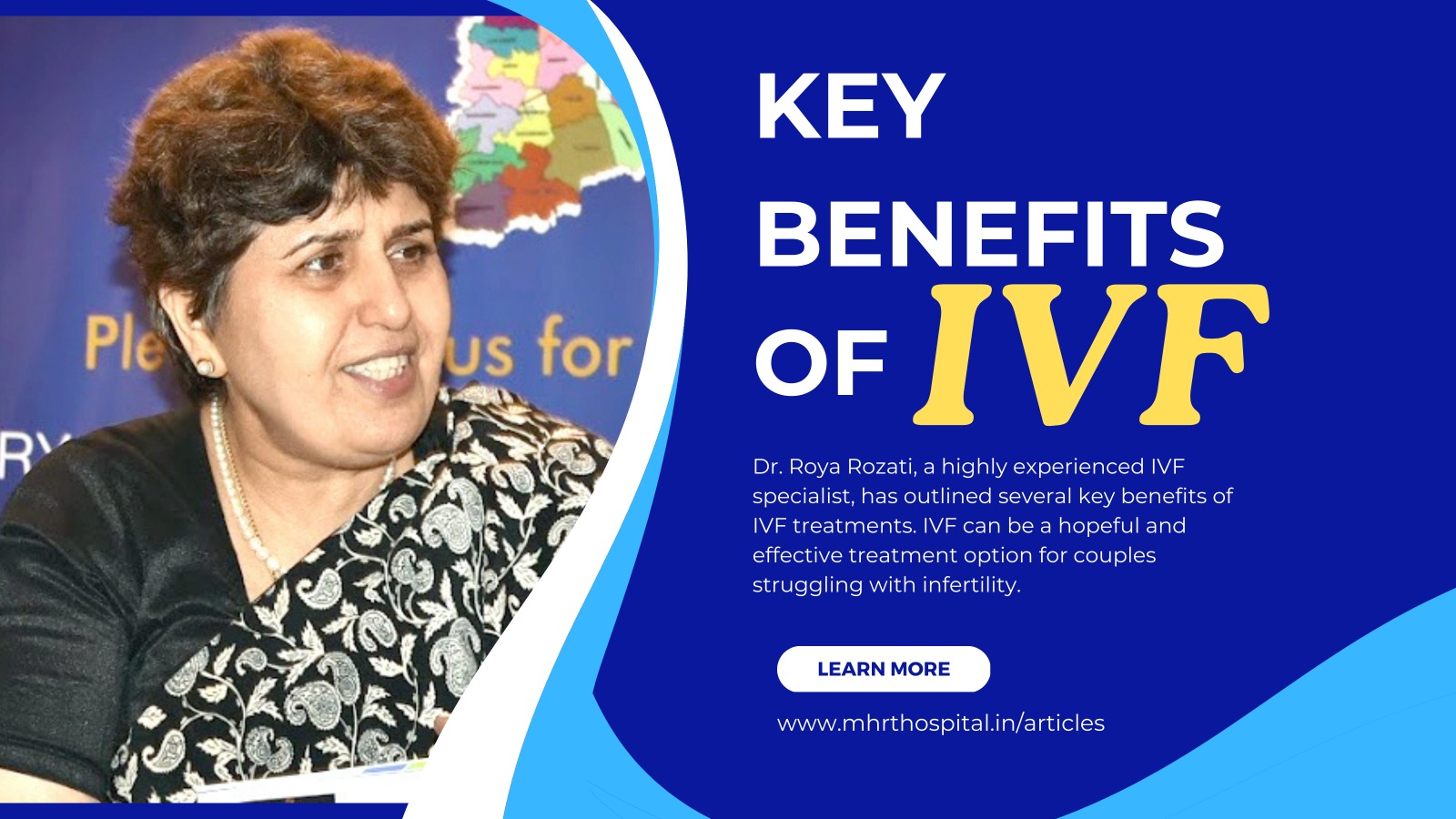
  • Key Benefits of IVF

    Key Benefits of IVF

    Higher chances of pregnancy: IVF offers higher success rates of pregnancy to couples who struggle with infertility, with success rates of up to 50% for women.

    Control over timing of pregnancy: IVF allows couples to plan their pregnancy and delivery, which can be especially helpful for those with demanding careers or other life commitments.

    Treatment for genetic disorders: IVF can be used in combination with preimplantation genetic testing (PGT) to diagnose and treat genetic disorders before the embryo is implanted into the uterus.

    Use of donor eggs or sperm: IVF allows couples to use donor eggs or sperm if they are unable to produce their own viable gametes, which can help couples who have a genetic disorder or who are carriers of a genetic disorder.

    Reduced risk of multiple pregnancies: IVF can be used in conjunction with a procedure called single embryo transfer (SET), which reduces the risk of multiple pregnancies and can avoid complications.

    Treatment for certain fertility issues: IVF can be used to treat women with certain fertility issues, such as polycystic ovary syndrome (PCOS) or endometriosis.

    Hope for couples struggling with infertility: IVF offers hope and a sense of control over their reproductive health to couples struggling with infertility, even if the procedure is not successful.

    Personalized care: IVF can be delivered with a personalized approach to care, with individualized treatment plans tailored to the specific needs of each patient.

    Cutting-edge technology: IVF utilizes advanced technology and state-of-the-art facilities, which allows for more precise and effective treatment options for couples struggling with infertility.

  • Next Steps After Failed Fertility Treatment

    Next Steps After Failed Fertility Treatment

    Keep hope alive: Despite the setback, it’s important to remember that there are still options available to you. Keep hope alive and trust that you will find a way to become a parent.

    You are not alone: Infertility affects millions of people around the world, and there are many support groups and resources available to help you through this difficult time. Reach out and connect with others who have gone through similar experiences.

    Focus on the positive: Although the failure of fertility treatment can be heartbreaking, try to focus on the positive aspects of your life. Spend time with loved ones, pursue your hobbies and interests, and find joy in the little things.

    Take control of your journey: Don’t let infertility control your life. Take control of your journey by exploring alternative options and making a plan for moving forward.

    Believe in yourself: You are strong and capable of overcoming any obstacle. Believe in yourself and your ability to navigate this difficult time.

    Celebrate small victories: Every step forward, no matter how small, is a victory. Celebrate each milestone and use them as motivation to keep going.

    Practice self-care: Take care of yourself both mentally and physically. Prioritize self-care by getting enough rest, eating well, and engaging in activities that make you happy.

    Remember your end goal: Your end goal is to become a parent and build a family. Don’t lose sight of that goal and let it motivate you to keep going and exploring new options.

  • As a gynecologist, Dr. Roya Rozati has helped countless women achieve a healthy pregnancy.

    As a gynecologist, Dr. Roya Rozati has helped countless women achieve a healthy pregnancy.

    There are many factors that go into maintaining a healthy pregnancy, and it is important to have guidance from a healthcare professional throughout the process. Here are some tips from Dr. Rozati on how to be a healthy pregnant woman:

    1. Get early and regular prenatal care.

    One of the most important things you can do for yourself and your baby is to get early and regular prenatal care. This means seeing a healthcare provider as soon as you think you might be pregnant and continuing to see them throughout your pregnancy. Your provider can monitor your health and the health of your baby, provide advice on healthy habits, and help you prepare for childbirth and parenthood.

    2.Eat a healthy and balanced diet.

    Eating a healthy and balanced diet is important for both you and your baby. You should aim to eat a variety of fruits, vegetables, whole grains, lean proteins, and healthy fats. Avoid foods that are high in sugar, saturated fat, and sodium. It is also important to stay hydrated by drinking plenty of water throughout the day.

    3.Exercise regularly.

    Regular exercise during pregnancy can help you maintain a healthy weight, reduce your risk of gestational diabetes and other pregnancy complications, and prepare your body for childbirth. Talk to your healthcare provider about what types of exercise are safe for you during pregnancy.

    4.Get enough rest.

    Getting enough rest is important during pregnancy, as your body is working hard to support your growing baby. Aim to get 7-9 hours of sleep each night, and take naps during the day if you need to.

    5.Manage stress.

    Pregnancy can be a stressful time, but managing stress is important for your health and the health of your baby. Try relaxation techniques such as deep breathing, meditation, or yoga. Make time for activities that you enjoy, and don’t be afraid to ask for help when you need it.

    6.Avoid harmful substances.

    Avoiding harmful substances such as alcohol, tobacco, and illegal drugs is important during pregnancy. These substances can harm your baby’s development and increase the risk of pregnancy complications.

    7.Take prenatal vitamins.

    Taking prenatal vitamins can help ensure that you are getting all the nutrients you need for a healthy pregnancy. Your healthcare provider can recommend a prenatal vitamin that is right for you.

    8.Educate yourself about childbirth and parenting.

    Educating yourself about childbirth and parenting can help you feel more prepared for the challenges ahead. Take childbirth classes, read books and articles, and talk to other parents about their experiences.

    By following these tips, you can help ensure a healthy pregnancy for you and your baby. Remember to talk to your healthcare provider about any concerns you may have, and to seek medical attention if you experience any unusual symptoms during your pregnancy. Dr. Rozati has helped countless women have healthy pregnancies, and with her guidance and the support of your healthcare provider, you can too.

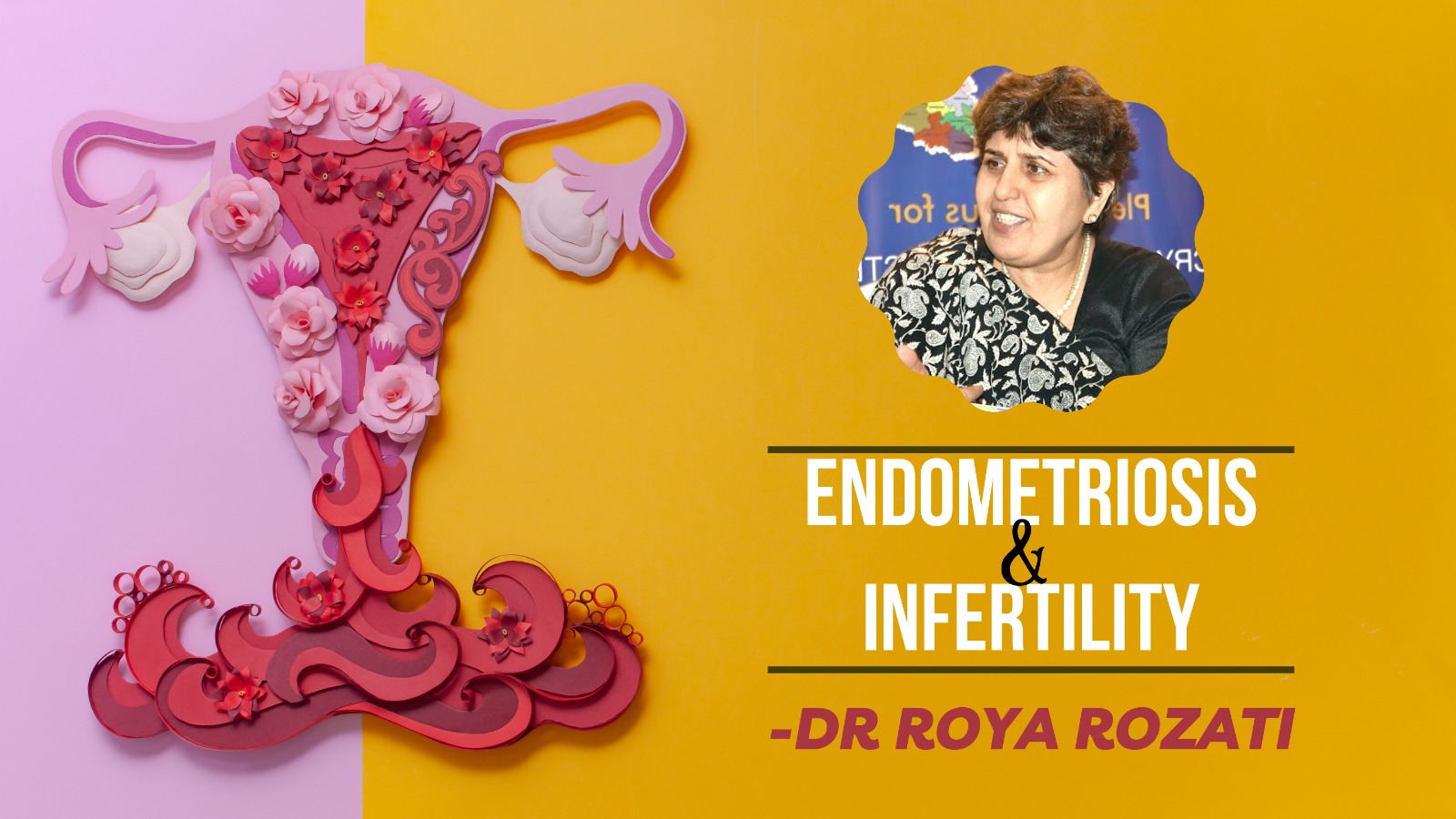
  • Endometriosis and Infertility: Insights from an Infertility Specialist

    Endometriosis and Infertility: Insights from an Infertility Specialist

    As an infertility specialist, I have seen firsthand the impact that endometriosis can have on a woman’s fertility. Endometriosis is a condition where the tissue that normally lines the inside of the uterus grows outside of the uterus, causing pain, inflammation, and scarring. This condition can lead to infertility in up to 50% of cases.

    Endometriosis is one of the most common causes of infertility, affecting up to 10% of women of reproductive age. The condition can cause infertility by several mechanisms, including the formation of adhesions or scar tissue that can block the fallopian tubes, prevent the egg from reaching the uterus, or prevent the sperm from reaching the egg. Endometriosis can also cause hormonal imbalances that affect ovulation and fertility.

    The severity of endometriosis does not always correlate with the degree of infertility. Women with mild endometriosis can have severe infertility, while women with severe endometriosis can conceive naturally. However, as the severity of endometriosis increases, the likelihood of infertility also increases.

    Diagnosing endometriosis can be challenging, as the symptoms can be vague and mimic other conditions. The most common symptom of endometriosis is pelvic pain, especially during menstruation, intercourse, or bowel movements. Other symptoms may include heavy or irregular periods, pain during ovulation, pain during urination or bowel movements, and fatigue. However, not all women with endometriosis have symptoms, and not all women with these symptoms have endometriosis.

    The diagnosis of endometriosis can only be confirmed by laparoscopy, a surgical procedure where a thin tube with a camera is inserted into the abdomen through a small incision to visualize the pelvic organs and biopsy any suspicious tissue. However, laparoscopy is an invasive and costly procedure and is not always necessary in all cases of suspected endometriosis.

    The treatment of endometriosis depends on several factors, including the severity of symptoms, the extent of the disease, and the desire for fertility. Mild endometriosis may be managed with pain relievers or hormonal treatments such as birth control pills, progestins, or gonadotropin-releasing hormone (GnRH) agonists that suppress the menstrual cycle and reduce inflammation. However, these treatments do not cure endometriosis and may have side effects such as weight gain, mood changes, and bone loss.

    In cases of severe endometriosis, surgery may be necessary to remove the adhesions, cysts, or scar tissue that can cause infertility. Surgery may also improve pain symptoms and increase the chances of natural conception. However, surgery is not always effective, and endometriosis can recur after surgery.

    In cases where infertility persists despite medical or surgical treatment, assisted reproductive technologies (ART) such as in vitro fertilization (IVF) or intrauterine insemination (IUI) may be considered. ART bypasses the fallopian tubes and can increase the chances of conception, even in the presence of endometriosis. However, ART is expensive, invasive, and not always successful.

    The management of endometriosis and infertility requires a multidisciplinary approach involving gynecologists, infertility specialists, pain specialists, and mental health professionals. Early diagnosis and treatment of endometriosis can improve the chances of natural conception and reduce the need for invasive treatments such as surgery or ART.

    In conclusion, endometriosis is a common and challenging condition that can cause infertility by several mechanisms. As an infertility specialist, I recommend that women who experience pelvic pain, heavy periods, or other symptoms associated with endometriosis seek medical evaluation promptly. Early diagnosis and treatment can improve the chances of natural conception and reduce the need for invasive treatments such as surgery or assisted reproductive technologies. It’s essential to understand that every woman’s experience with endometriosis is unique, and treatment plans should be tailored to each individual’s specific needs and goals.

    Additionally, women with endometriosis should be aware of the potential impact of the condition on their mental health. The chronic pain and uncertainty associated with endometriosis can lead to anxiety, depression, and other mental health issues. Therefore, it’s important to seek support from mental health professionals who can provide coping strategies and emotional support throughout the treatment process.

    Finally, education and awareness about endometriosis are crucial to breaking down the stigma and misinformation surrounding the condition. Many women suffer from endometriosis in silence, unaware of the available treatments and resources. By increasing public awareness and understanding of endometriosis, we can improve early detection, diagnosis, and treatment outcomes for women with this challenging condition.

  • Understanding the Advantages of IVF Treatment & Dr. Roya Rozati’s Expertise in Reproductive Medicine

    Understanding the Advantages of IVF Treatment & Dr. Roya Rozati’s Expertise in Reproductive Medicine

    In today’s world, many couples are turning to IVF treatment to overcome infertility and start a family. IVF, or in vitro fertilization, is a complex procedure that involves several steps designed to increase the chances of successful conception. There are several potential benefits to this treatment.

    One of the primary advantages of IVF is the increased chance of conception. IVF can offer hope to couples who have been struggling with infertility and have not been able to conceive through natural methods. By increasing the chances of successful fertilization and implantation, IVF can help these couples achieve their dream of having a baby.

    Another advantage of IVF is personalized treatment. IVF treatment is highly individualized, taking into account each couple’s unique medical history, lifestyle, and goals. This personalized approach ensures that couples receive the most appropriate treatment for their specific needs, increasing the chances of success.

    IVF also allows for pre-implantation genetic testing, which can screen embryos for genetic abnormalities or chromosomal disorders. This can help prevent certain genetic conditions from being passed on to the child, offering couples the option of having a healthy baby.

    Furthermore, IVF allows couples to have more control over the timing of conception, as the embryos can be cultured in the laboratory until they are ready for transfer back into the woman’s uterus. This can be particularly helpful for couples who are dealing with issues such as irregular menstrual cycles or sperm quality.

    IVF treatment uses cutting-edge technology and techniques to optimize the chances of successful fertilization and implantation. This includes methods such as ICSI, which can be used to overcome male infertility, and blastocyst culture, which can improve the chances of embryo implantation.

    Dr. Roya Rozati is a renowned expert in the field of in vitro fertilization (IVF). She has gained a reputation as a leading authority in reproductive medicine, with over three decades of experience helping couples achieve their dreams of having a baby. Her expertise extends beyond IVF to include a broad range of reproductive health issues, including endometriosis, polycystic ovary syndrome (PCOS), and male infertility.

    Dr. Rozati has a track record of success in helping couples achieve pregnancy through IVF. She uses the latest techniques and technologies to optimize the chances of successful fertilization and implantation. Dr. Rozati’s MHRT Hospital is equipped with state-of-the-art facilities, including a cutting-edge embryology lab and a team of skilled technicians and nurses who are dedicated to providing the highest quality care.

  • Celebrating the strength, resilience, and unwavering determination

    Celebrating the strength, resilience, and unwavering determination of all the women who have faced infertility and overcome countless challenges to become mothers.

    Dear mothers,

    As an infertility specialist, I have had the privilege of helping countless women on their journey to motherhood. I have witnessed firsthand the strength, resilience, and unwavering determination that you all possess in the face of the many challenges that come with infertility.

    On this special day, I want to extend my warmest wishes to all of the women who have faced infertility and gone through countless struggles to become mothers. Your journey has not been an easy one, but your unwavering determination, strength, and courage have inspired me every step of the way.

    I want to acknowledge the many sacrifices you have made, the tears you have shed, and the countless setbacks you have overcome. I want to celebrate your tenacity, your hope, and your incredible courage.

    You are warriors, and your journey to motherhood has made you even stronger. You have shown us all what it means to persevere in the face of adversity, and you have proven that with determination and the right support, anything is possible.

    So on this Mother’s Day, I want to express my deepest admiration and respect for you. You are all heroes, and your children are blessed to have such loving, caring, and courageous mothers. You have overcome the greatest of challenges to become the greatest of blessings in the lives of your children, and for that, you deserve nothing but the very best.

    Warmest wishes on this special day,

    Dr. Roya Rozati, Infertility Specialist.

    MHRT HOSPITAL, BANJARA HILLS, HYD

  • Illuminating the Path to Parenthood: The Significance and Success of IVF Treatment

    Illuminating the Path to Parenthood: The Significance and Success of IVF Treatment

    Dr. Roya Rozati: IVF Specialist with 37+ years of experience, FRCOG London, AIIMS Delhi, ART Chief at Mhrt Hospital, Banjara Hills, Hyderabad.

    Introduction

    The dream of parenthood is a cherished aspiration for many, but for some, achieving this dream can be accompanied by the challenges of infertility. In such cases, In Vitro Fertilization (IVF) stands as a remarkable medical breakthrough, offering hope to couples who desire to build their families. In this article, we will explore the importance of IVF treatment and the effective methods through which it can lead to the fulfillment of this cherished dream.

    Understanding IVF

    In Vitro Fertilization (IVF) is an advanced assisted reproductive technology that enables couples facing infertility to conceive a child. This intricate procedure involves the fertilization of an egg with sperm outside the human body, resulting in the creation of an embryo. The resulting embryo is then carefully nurtured and, when ready, transferred into the woman’s uterus, where it can implant and develop into a pregnancy.

    The Significance of IVF

    1. Overcoming Various Fertility Challenges: IVF has been a beacon of hope for couples facing a myriad of fertility challenges. Whether it’s due to male or female infertility, unexplained infertility, or other medical conditions, IVF offers a versatile solution.

    2. Success Rates: IVF boasts a relatively high success rate when compared to other fertility treatments. Advances in technology and medical knowledge continue to improve these rates, making IVF an attractive option for those struggling with infertility.

    3. Genetic Testing: IVF provides the opportunity for pre-implantation genetic testing (PGT), which can help identify and select embryos free of genetic disorders, increasing the chances of a healthy pregnancy.

    Effective Methods for Optimizing IVF

    1. Comprehensive Fertility Assessment: Before embarking on the IVF journey, a thorough assessment of both partners is essential. This helps identify any underlying factors that may affect the success of the treatment.

    2. Customized Treatment Plans: Each couple’s situation is unique. A personalized treatment plan that addresses their specific fertility challenges and needs is crucial for achieving the best results.

    3. Ovulation Induction: In many cases, the woman’s ovaries are stimulated to produce multiple eggs, increasing the chances of fertilization.

    4. Sperm and Egg Quality: Ensuring optimal sperm and egg quality is essential. Donor sperm or eggs may be considered in cases of severe infertility.

    5. Embryo Culture and Selection: Once the embryos are created, they are cultured in a controlled environment, and the best-quality embryos are selected for transfer.

    6. Emotional and Psychological Support: IVF can be emotionally taxing. Support from mental health professionals and support groups can help individuals and couples navigate the emotional challenges associated with fertility treatments.

    7. Lifestyle Factors: Maintaining a healthy lifestyle with a balanced diet, regular exercise, and stress management can contribute to the success of IVF treatment.

    Conclusion

    In Vitro Fertilization (IVF) has revolutionized the field of assisted reproduction, offering renewed hope and opportunities for parenthood to countless couples. By addressing various fertility challenges and providing highly customizable treatment plans, IVF has become a symbol of promise in the world of reproductive medicine. Its high success rates, ability to address genetic concerns, and flexibility in treating a wide range of fertility issues have made it a beacon of hope for many.

    IVF is not just a medical procedure; it’s a lifeline for couples striving to bring a new life into the world. With the right medical guidance and emotional support, individuals and couples can confidently embrace the journey towards parenthood, knowing that IVF holds the promise of fulfilling their dreams.

  • Unlocking the Power of IUI Treatment: A Pathway to Fertility

    Unlocking the Power of IUI Treatment: A Pathway to Fertility

    Dr. Roya Rozati: IVF Specialist with 37+ years of experience, FRCOG London, AIIMS Delhi, ART Chief at Mhrt Hospital, Banjara Hills, Hyderabad.

    Introduction

    The journey to parenthood is a remarkable and often challenging one. For some couples, the path to conceiving a child may be obstructed by various factors, including male and female infertility. In such cases, assisted reproductive technologies provide a glimmer of hope. Among these, Intrauterine Insemination (IUI) is a widely accepted and effective treatment that has brought joy to countless families. This article delves into the importance of IUI treatment and the effective ways in which it can help couples achieve their dreams of parenthood.

    Understanding IUI

    IUI, or Intrauterine Insemination, is a relatively simple and non-invasive fertility treatment. It involves the introduction of prepared sperm directly into a woman’s uterus, bypassing many of the natural barriers that sperm face during intercourse. This procedure is performed at a fertility clinic and is often considered the first step in assisted reproductive technology for couples facing fertility issues.

    The Importance of IUI

    1. Enhancing Sperm Quality and Count: IUI is particularly beneficial when male factor infertility is a concern. By processing the sperm sample in the laboratory, we can select the healthiest and most motile sperm, increasing the chances of successful fertilization.

    2. Overcoming Cervical Barriers: In some cases, cervical mucus may hinder the sperm’s journey into the uterus. IUI allows for the placement of sperm directly into the uterine cavity, bypassing these barriers.

    3. Timing Precision: IUI can be precisely timed to coincide with ovulation, optimizing the chances of fertilization. This is especially important when couples have irregular cycles or other issues that affect timing.

    4. Reducing Sperm’s Travel Distance: IUI shortens the distance sperm need to travel to reach the egg, which can be particularly helpful when the sperm face mobility challenges.

    Effective Ways to Optimize IUI Treatment

    1. Comprehensive Fertility Assessment: Before embarking on IUI, a thorough fertility assessment is essential. Both partners should undergo diagnostic tests to identify any underlying issues that might affect treatment success.

    2. Ovulation Monitoring: Accurate timing is critical in IUI. Regular monitoring of the woman’s cycle, including ultrasound scans and hormone level assessments, ensures that IUI is performed at the optimal time.

    3. Sperm Preparation: Sperm quality is a crucial factor in the success of IUI. The sperm sample should be carefully prepared in the laboratory to ensure that only the healthiest and most mobile sperm are used.

    4. Medications: Depending on the couple’s specific circumstances, fertility medications may be used to stimulate egg production and increase the chances of successful fertilization.

    5. Emotional Support: The emotional toll of fertility treatment should not be underestimated. Seek counseling or support groups to help cope with the stress and emotional challenges associated with fertility treatments.

    6. Lifestyle Factors: Maintaining a healthy lifestyle with a balanced diet, regular exercise, and stress management can contribute to the success of IUI treatment.

    Conclusion

    Intrauterine Insemination is a valuable tool in the realm of assisted reproductive technologies. It provides hope to couples struggling with infertility by addressing various fertility challenges and increasing the chances of conception. The key to success lies in the thorough assessment of both partners, precise timing, and the careful preparation of sperm samples. It is also important to recognize the emotional aspect of fertility treatments and seek support when needed.

    IUI has brought joy to countless families, and its effectiveness is a testament to the advancements in reproductive medicine. With the right guidance and a supportive medical team, couples can navigate the path to parenthood with optimism and hope, knowing that IUI offers a promising solution to their fertility challenges.