Tag: Dr Roya Rozati

  • Why Egg Freezing Is Becoming More Common Among Young Women

    In recent years, more women are asking about egg freezing — not because they are infertile, but because they want to preserve future fertility.

    This growing trend reflects a major change in modern life. Many women today are focusing on higher education, career growth, financial stability, or waiting for the right life partner before planning pregnancy.

    But there is one important biological reality that often gets overlooked: a woman’s fertility naturally declines with age.

    Women are born with a fixed number of eggs, and both the quantity and quality reduce gradually over time, especially after the age of 35. This is why some women choose to freeze their eggs earlier, while fertility potential is stronger.

    Egg freezing, medically known as oocyte cryopreservation, is a process where healthy eggs are collected from the ovaries and preserved at very low temperatures for future use.

    The procedure usually involves hormonal stimulation for a short period, followed by egg retrieval under medical supervision. The frozen eggs can later be used during IVF treatment if needed.

    Many women worry that egg freezing means they are giving up on natural pregnancy. That is not true. It is simply a way of preserving an additional option for the future.

    However, it is also important to understand that egg freezing is not a guaranteed insurance policy. Success depends on factors such as age at the time of freezing, egg quality, overall health, and future reproductive conditions.

    This is why proper counselling is extremely important before making any decision.

    The best approach is awareness, not fear. Women should have accurate medical information early enough to make informed choices about their reproductive health and future family planning.

    If you are considering delaying pregnancy or want to understand your fertility health better, timely consultation and evaluation can help you make confident decisions while there is still valuable reproductive time available.

    To book an appointment with Dr. Roya Rozati, you can call or message MHRT Hospital on +91 98491 61421.

    MHRT Hospital – Banjara Hills
    8-2-120, H, 86/1A, Road Number 3, Banjara Hills,
    Hyderabad, Telangana 500034

    MHRT Hospital – Shivrampally
    Pillar No. 274, Prashant Colony,
    Beside Raj Marble Granite, Shivrampally, Hyderabad, Telangana

    This article explains why more women are choosing egg freezing today. Here, Dr. Roya Rozati explains fertility decline, egg preservation, IVF, and reproductive planning in simple language.

    Tagged under:

    egg freezing Hyderabad, fertility preservation, Dr Roya Rozati, egg freezing treatment India, women fertility health, fertility specialist Hyderabad, IVF specialist Hyderabad, delayed pregnancy, reproductive health awareness, oocyte cryopreservation, women health fertility, fertility planning, pregnancy after 35, MHRT Hospital, fertility options for women, modern fertility care

  • Is Male Infertility Increasing? What Every Couple Should Know

    When couples face difficulty in conceiving, many people still assume the problem is usually related to the woman. However, medical science tells us something very important:

    Male factors contribute to infertility in nearly half of all cases.

    Over the past two decades, doctors across the world have noticed a gradual decline in sperm quality among many men. This includes lower sperm count, poor sperm movement, and unhealthy sperm shape.

    So why is this happening?

    Modern lifestyle plays a major role. Smoking, alcohol, obesity, poor sleep, stress, unhealthy diet, diabetes, lack of exercise, and long working hours can all affect male reproductive health.

    Environmental pollution may also be contributing to hormonal disturbances and declining sperm quality. Even excessive heat exposure such as keeping laptops directly on the lap for long periods or prolonged sitting — may impact sperm production over time.

    One important issue is that male infertility often has no obvious symptoms. A man may feel completely healthy and still have reduced fertility.

    This is why fertility evaluation should always involve both partners together.

    The good news is that many male fertility problems can now be identified through simple tests and managed successfully with lifestyle changes, medications, nutritional support, or advanced fertility treatment when necessary.

    Unfortunately, many couples lose valuable time because of hesitation, stigma, or fear of judgment. Infertility is not a question of masculinity or blame. It is a medical condition that deserves proper care and understanding.

    Early evaluation is extremely important, especially if a couple has been trying to conceive for more than one year without success.

    Today, fertility treatment is more advanced than ever before, and many couples are able to achieve successful pregnancies with timely diagnosis and expert medical guidance.

    If you have concerns about fertility, do not delay seeking help. Early intervention often improves treatment outcomes and provides more options for future parenthood.

    To book an appointment with Dr. Roya Rozati, you can call or message MHRT Hospital on +91 98491 61421.

    MHRT Hospital – Banjara Hills
    8-2-120, H, 86/1A, Road Number 3, Banjara Hills,
    Hyderabad, Telangana 500034

    MHRT Hospital – Shivrampally
    Pillar No. 274, Prashant Colony,
    Beside Raj Marble Granite, Shivrampally, Hyderabad, Telangana

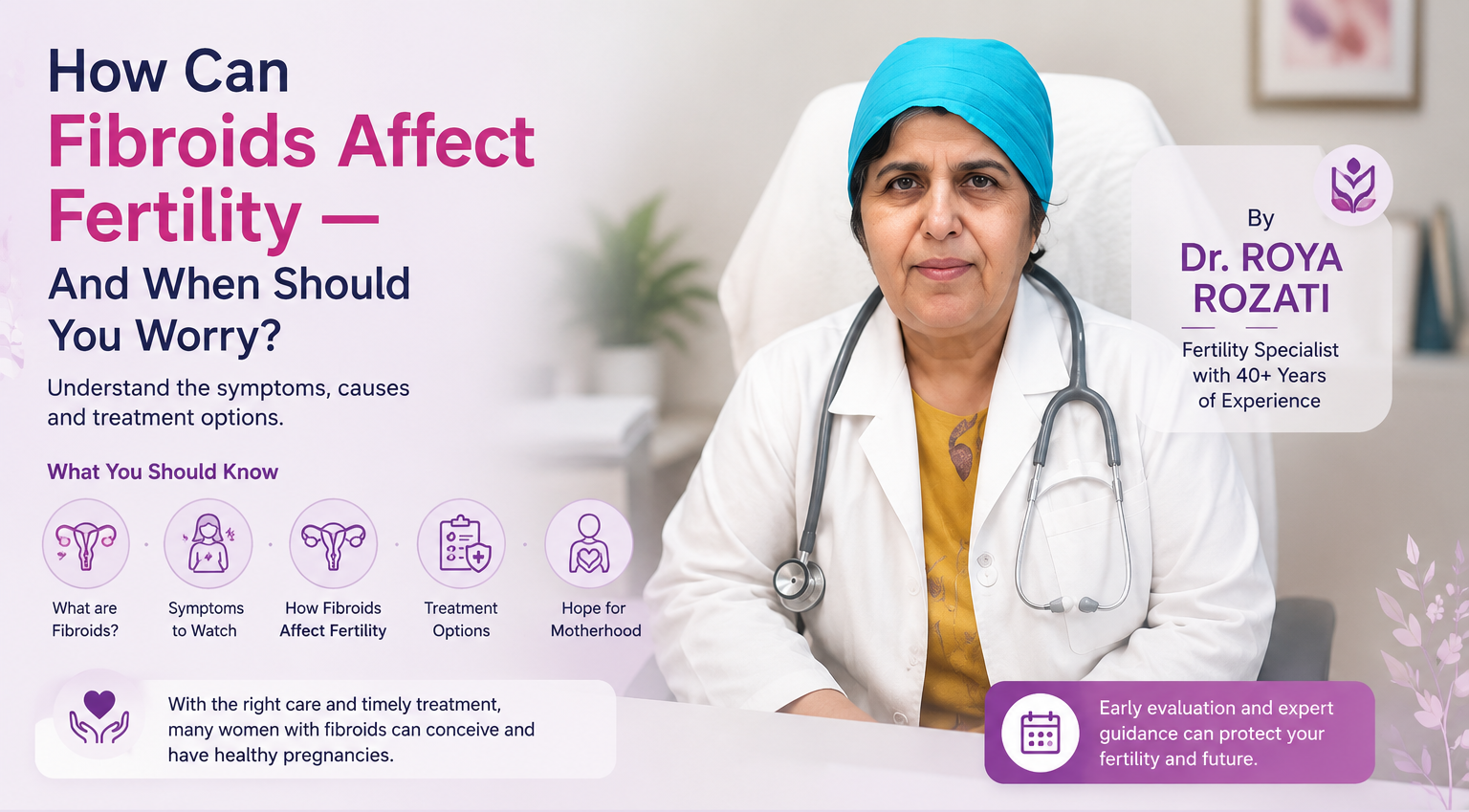
  • How Can Fibroids Affect Fertility, and When Should You Worry?

    How Can Fibroids Affect Fertility, and When Should You Worry?

    Many women discover they have fibroids during a routine scan or while trying to conceive. Naturally, the first question they ask is:

    “Are fibroids dangerous?”

    In most cases, fibroids are non-cancerous growths that develop in or around the uterus. They are very common, especially in women between the ages of 30 and 45. Many women may have fibroids without even knowing it.

    Some fibroids are small and cause no symptoms at all. Others may lead to heavy bleeding, painful periods, pelvic pressure, back pain, frequent urination, or difficulty becoming pregnant.

    Whether fibroids affect fertility depends largely on their size and location.

    Fibroids growing inside the cavity of the uterus can sometimes interfere with implantation of the embryo or increase the risk of miscarriage. Larger fibroids may also distort the shape of the uterus or affect blood flow needed for a healthy pregnancy.

    However, it is important not to panic. Not every fibroid requires surgery or aggressive treatment. Many women with fibroids conceive naturally and have healthy pregnancies.

    Treatment depends on several factors including the woman’s age, symptoms, fertility goals, size of the fibroids, and their location.

    In some cases, simple observation and monitoring may be enough. In other situations, medications or minimally invasive procedures may be advised.

    Today, medical science offers several effective ways to manage fibroids while preserving fertility whenever possible. The key is proper evaluation and individualized care.

    One mistake many women make is ignoring symptoms like heavy bleeding or severe pelvic pain for years. Early diagnosis allows doctors to guide treatment more safely and effectively before complications develop.

    With timely medical expertise, many women with fibroids can successfully protect their fertility and move toward healthy motherhood.

    To book an appointment with Dr. Roya Rozati, you can call or message MHRT Hospital on +91 98491 61421.

    MHRT Hospital – Banjara Hills
    8-2-120, H, 86/1A, Road Number 3, Banjara Hills,
    Hyderabad, Telangana 500034

    MHRT Hospital – Shivrampally
    Pillar No. 274, Prashant Colony,
    Beside Raj Marble Granite, Shivrampally, Hyderabad, Telangana

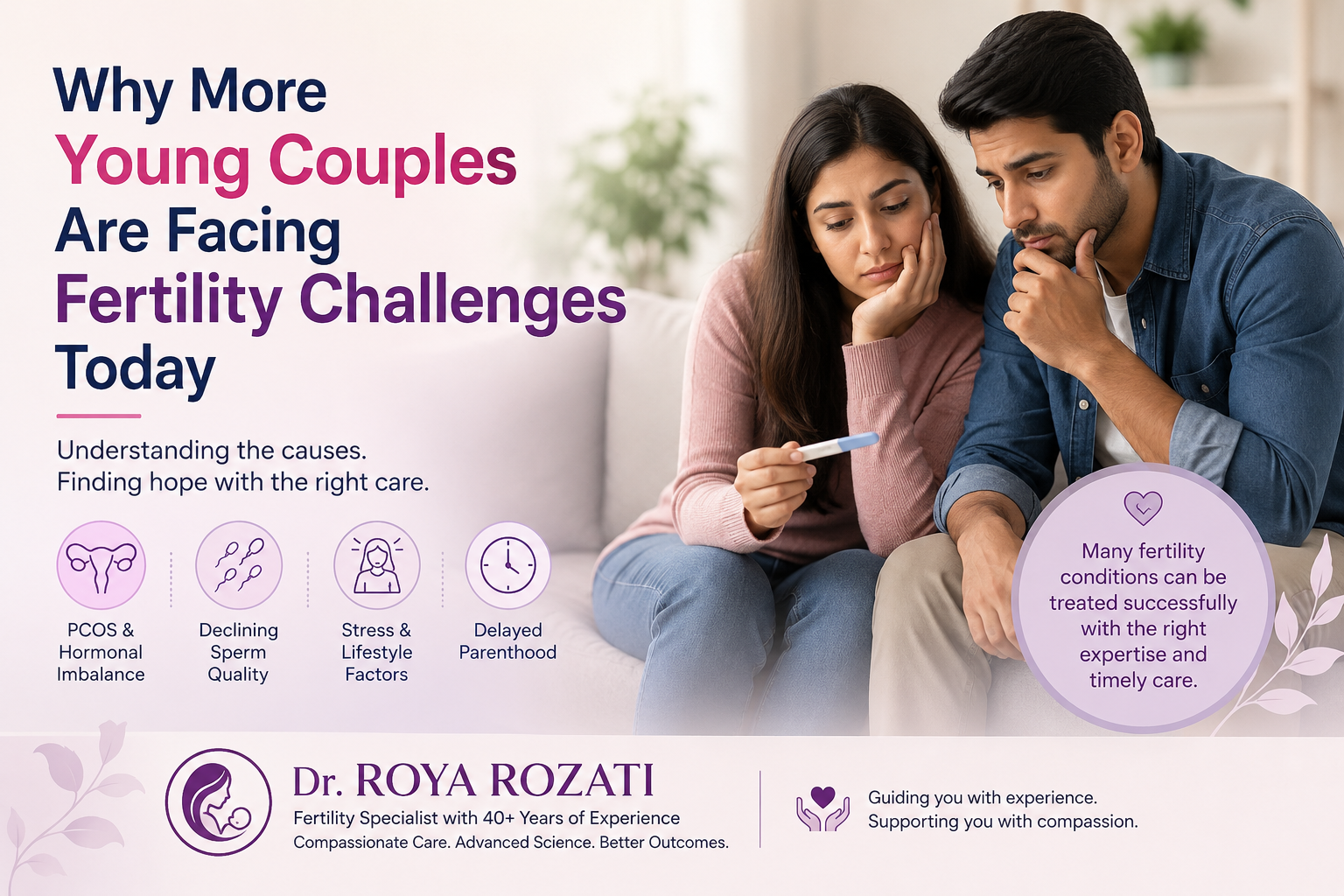
  • Why More Young Couples Are Facing Fertility Challenges Today

    Why More Young Couples Are Facing Fertility Challenges Today

    Forty years ago, most couples who visited a fertility support clinic were usually in their late thirties or forties.

    Today, I increasingly meet young couples in their late twenties and early thirties asking the same painful question:

    “Why are we unable to conceive?”

    This change is real, and it is happening across cities, towns, and even smaller communities.

    One major reason is lifestyle change.

    Modern life has brought convenience, but it has also brought stress, poor sleep, unhealthy eating habits, long working hours, and lack of physical activity. All of these can affect fertility in both men and women.

    In women, conditions like PCOS (Polycystic Ovary Syndrome) have become very common.

    PCOS is a hormonal condition where the ovaries may not release eggs regularly. Women may experience irregular periods, weight gain, acne, or excessive hair growth. Many women do not even realize they have it until they try to conceive.

    In men, sperm quality is declining more than ever before. Smoking, alcohol, obesity, diabetes, stress, pollution, and even excessive heat from laptops or prolonged sitting may affect sperm count and movement.

    Another important factor is delayed parenthood. Many couples today wait longer due to career goals, financial planning, or personal reasons. While this is understandable, fertility naturally declines with age, especially after 35 in women.

    The good news is that many fertility problems can now be diagnosed early and treated successfully. Simple lifestyle improvements, timely medical advice, and early evaluation can make a big difference.

    Infertility is not a personal failure. It is a medical condition – and like many medical conditions, it can often be treated with patience, science, and proper care.

    If you have been trying to conceive without success, it is important not to delay seeking help. Many fertility conditions can be managed or treated effectively when identified early, while there is still valuable time and opportunity.

    To book an appointment with Dr. Roya Rozati, you can call or message MHRT Hospital on +91 98491 61421.

    MHRT Hospital – Banjara Hills
    8-2-120, H, 86/1A, Road Number 3, Banjara Hills,
    Hyderabad, Telangana 500034

    MHRT Hospital – Shivrampally
    Pillar No. 274, Prashant Colony,
    Beside Raj Marble Granite, Shivrampally, Hyderabad, Telangana

  • Segmented IVF: A Safer and More Effective Fertility Approach at MHR T Hospitals


    Introduction

    Segmented IVF has become one of the most advanced and reliable fertility protocols in modern reproductive medicine. At MHR T Hospitals, we follow global best practices to provide treatments that increase success rates and reduce risks for our patients. This guide explains what segmented IVF is, who needs it, how it works, and why it may be the best option for many couples seeking safe and effective fertility care.


    What Is Segmented IVF?

    Segmented IVF is an approach where the traditional IVF process is divided into separate steps. Instead of transferring embryos in the same cycle as ovarian stimulation, embryos are frozen and transferred later in a separate cycle. This gives the body time to recover and helps improve embryo implantation.

    In a standard IVF cycle, stimulation, egg retrieval, fertilisation, and embryo transfer happen in one continuous cycle. In segmented IVF, the cycle is split so the embryo transfer is performed in a more natural and stable hormonal environment.


    Why Segmented IVF Is Becoming More Popular

    Segmented IVF is widely adopted because it offers several advantages for both fertility outcomes and patient safety. Clinics across India and the world now consider it the preferred protocol for many cases.

    Some of the key benefits include:

    • Better preparation of the uterus for embryo implantation.
    • Improved embryo survival because vitrification technology has become very successful.
    • Reduced risk of complications from ovarian stimulation.
    • More control, flexibility, and precision for each stage of treatment.

    How Segmented IVF Works

    Here is a simple breakdown of the segmented IVF process at MHR T Hospitals:

    Step 1: Ovarian Stimulation

    You receive hormone medication to help your ovaries produce multiple mature eggs. Blood tests and scans monitor your progress.

    Step 2: Egg Retrieval

    Eggs are collected through a short, painless procedure performed under mild sedation.

    Step 3: Fertilisation

    Eggs and sperm are combined in the laboratory. Depending on the fertility profile, IVF or ICSI may be used.

    Step 4: Embryo Freezing

    Instead of transferring embryos in the same cycle, all healthy embryos are frozen using advanced vitrification technology.

    Step 5: Frozen Embryo Transfer (FET)

    After your hormones return to normal, a frozen embryo is thawed and gently transferred into the uterus. This usually happens one or two months later.


    Who Should Consider Segmented IVF?

    Segmented IVF is recommended in many situations, such as:

    • Women with a high risk of ovarian hyperstimulation syndrome (OHSS).
    • Patients with high hormone levels or an overly stimulated cycle.
    • Women with thin or unstable endometrial lining in the stimulation cycle.
    • Couples undergoing genetic testing of embryos (PGT).
    • Patients with repeated failed embryo transfers.
    • Individuals who want to preserve embryos for future use.
    • Women who need time for medical or hormonal recovery before transfer.

    Our fertility specialists assess each patient’s medical profile before deciding if segmented IVF is the most suitable option.


    Benefits of Segmented IVF

    Higher Success Rates

    Frozen embryo transfers often result in better implantation because the uterus is more stable and receptive in a natural or controlled cycle.

    Increased Safety

    Segmented IVF reduces the risk of ovarian hyperstimulation, especially for women with polycystic ovary syndrome or high ovarian reserve.

    Better Embryo Selection

    By freezing embryos, the lab gains more time to assess quality, conduct genetic screening if needed, and choose the best embryos for transfer.

    More Flexible Treatment

    You can schedule the embryo transfer at a convenient and medically optimal time, without rushing during a stimulated cycle.

    Lower Stress Levels

    Couples often feel less pressure and more emotional balance when the cycle is divided into stages.


    Is Segmented IVF More Expensive?

    Segmented IVF may cost slightly more due to the freezing and storage of embryos. However, the improved success rates often reduce the need for multiple cycles, making overall treatment more cost-effective.

    At MHRT Hospitals, we provide a detailed cost plan based on your customised protocol.


    Success Rates for Segmented IVF

    Success depends on age, egg quality, sperm quality, and overall reproductive health. However, many global studies show that frozen embryo transfers can lead to equal or higher success rates compared to fresh transfers. Many patients experience better pregnancy and live birth outcomes in segmented cycles.


    What to Expect at MHR T Hospitals

    Our team offers:

    • A personalised segmented IVF plan based on medical needs.
    • Advanced vitrification and embryo monitoring systems.
    • Skilled embryologists trained in international protocols.
    • Transparent communication throughout the process.
    • Counselling and emotional support during treatment.

    Frequently Asked Questions

    Is segmented IVF suitable for first-time IVF patients?
    Yes. It is safe for both first-time and repeat IVF cycles, depending on your medical profile.

    Will freezing harm my embryos?
    No. Vitrification technology keeps embryo survival above 95 percent in most cases.

    How long do I need to wait for the embryo transfer?
    Most patients wait one or two natural cycles, but this may vary.

    Does segmented IVF reduce stress?
    Yes. Since the transfer is done in a separate cycle, patients feel more relaxed and better prepared.


    Next Steps

    Segmented IVF is a modern, safe, and highly effective approach to fertility treatment. By separating stimulation from embryo transfer, the body recovers better, and the uterus becomes more receptive. At MHR T Hospitals, we follow this advanced technique to give couples the best possible chance of achieving a healthy pregnancy.

    If you want to know whether segmented IVF is right for you, our fertility specialists are always ready to help. Just call 9849161421

    Keywords: segmented IVF, IVF segmentation, freeze all IVF, IVF with frozen embryo transfer, best IVF protocol India, fertility clinic Hyderabad.

  • When to Choose IVF or IUI

    Choosing between IVF (In Vitro Fertilization) and IUI (Intrauterine Insemination) can be a confusing decision for many couples trying to conceive. Both treatments are effective, but the right choice depends on the cause of infertility, age, and overall reproductive health.

    IUI is usually recommended as the first option for couples with mild fertility issues. It works best when the woman has open fallopian tubes, regular ovulation, and the partner’s sperm count is normal or only slightly low. IUI is also helpful in cases of unexplained infertility or when timing intercourse is difficult.

    IVF is often advised when other methods, including IUI, have not succeeded. It is the preferred option in cases of blocked fallopian tubes, severe sperm abnormalities, advanced maternal age, endometriosis, or when there is a need for genetic screening of embryos. IVF allows fertilization to take place outside the body, giving doctors more control and precision in selecting healthy embryos.

    At our center, every couple undergoes a detailed evaluation before a treatment plan is suggested. The goal is to choose a path that offers the best chance of pregnancy while ensuring comfort and emotional support at every stage.

    Infertility treatment is not one-size-fits-all. With the right approach and expert guidance, hope can be transformed into life.

  • IVF vs IUI – Which One To Choose – Explained

    For many couples, the journey to parenthood is not always simple. Infertility can be emotionally challenging, but modern science offers solutions that bring new possibilities and renewed hope.

    Two of the most effective treatments in assisted reproduction are IVF (In Vitro Fertilization) and IUI (Intrauterine Insemination). While both aim to help couples conceive, they differ in process, complexity, and success rates.

    IUI is a simpler and less invasive procedure where carefully prepared sperm is placed directly into the uterus at the time of ovulation. It is often the first step for couples with mild fertility challenges or unexplained infertility.

    IVF, on the other hand, involves retrieving eggs, fertilizing them with sperm in a laboratory, and transferring the healthiest embryo back into the uterus. IVF gives doctors the ability to monitor and select the most viable embryos, improving the chances of a successful pregnancy.

    At our center, we understand that every journey to parenthood is unique. With the right diagnosis, personalized care, and emotional support, conception becomes not just a medical achievement but a deeply human miracle.

    Whether it is IVF, IUI, or another advanced fertility treatment, our goal remains the same: to turn hope into life.

  • Trouble Getting Pregnant – Read this FAQs

    How long should I try to get pregnant before seeing a doctor?

    A: If you’re under 35, try for 12 months; if 35 or older, seek help after 6 months. Seek care earlier for irregular cycles or known reproductive conditions.

    How common is male factor infertility?


    A: Male issues contribute to roughly 40–50% of infertility cases, so testing the male partner is essential.

    Can lifestyle changes improve fertility?

    A: Yes, quitting smoking, optimizing weight, reducing alcohol, managing stress, and improving sleep can all help fertility for both partners.

    What is the difference between IUI and IVF?


    A: IUI places prepared sperm directly into the uterus and is less invasive and cheaper; IVF fertilizes eggs in a lab and is used when IUI is unlikely to succeed (tubal block, severe male factor or after failed IUIs).

  • Common Causes of Female Infertility – And When to Seek Help

    Struggling to conceive can be emotionally and physically exhausting. At MHRT Hospitals, Dr. Roya Rozati and her expert team have helped thousands of women understand the root causes of infertility and find the right path forward. If you’ve been wondering why pregnancy isn’t happening, this blog will help clarify the common causes of female infertility and guide you on when to seek medical support.


    1. Polycystic Ovary Syndrome (PCOS)

    One of the most common causes, PCOS affects hormonal balance and leads to irregular periods, making it difficult to track ovulation.

    Symptoms include:

    • Irregular or missed periods
    • Weight gain or difficulty losing weight
    • Acne or excessive hair growth

    Dr. Rozati has extensive experience treating PCOS with customized care plans that include lifestyle changes, medications, and fertility treatments.


    2. Endometriosis

    This condition occurs when tissue similar to the uterine lining grows outside the uterus. It can cause severe pain, inflammation, and damage to reproductive organs.

    Warning signs:

    • Painful periods
    • Pain during intercourse
    • Difficulty conceiving

    Early diagnosis and laparoscopic treatment are often key to improving fertility outcomes.


    3. Ovulation Disorders

    If ovulation doesn’t occur regularly, it reduces the number of chances to conceive. This can be caused by:

    • Stress
    • Thyroid issues
    • High prolactin levels
    • Premature ovarian failure

    At MHRT, hormone testing and ultrasound evaluations help identify and manage ovulatory issues effectively.


    4. Fallopian Tube Blockage

    Damaged or blocked fallopian tubes prevent the egg and sperm from meeting. Common causes include:

    • Pelvic infections
    • Previous surgeries
    • Tuberculosis (common in India)

    A proper HSG test or laparoscopy can detect and treat tubal issues.


    5. Uterine Abnormalities

    Fibroids, polyps, or a misshaped uterus can interfere with implantation or cause miscarriages. These are treatable with minor surgical procedures, many of which are minimally invasive.

    When Should You See a Fertility Specialist?

    If you’re:

    • Married and struggling to conceive despite trying
    • Under 35 and trying for over a year
    • Over 35 and trying for over six months
    • Having irregular periods or past pregnancy complications

    …it’s time to seek expert guidance.

    Dr. Roya Rozati’s Approach at MHRT Hospitals

    At MHRT, we take a 360-degree view of women’s health, starting with in-depth consultations, targeted tests, and evidence-based treatments. From medication and lifestyle advice to IUI or IVF, every plan is personalized.

    Female infertility can be caused by a variety of treatable conditions. Don’t wait in confusion or frustration – knowledge and timely intervention make a big difference.

    Need Answers? We’re Here to Help

    🌸 Book a consultation with Dr. Roya Rozati
    📍 MHRT Hospitals, Banjara Hills, Hyderabad
    📞 Call: 9849161421 🌐 Website: drroyarozati.com

    Let us help you turn your dream into reality.

  • Male Infertility: Causes, Diagnosis, and Treatment Options in Hyderabad

    Infertility isn’t just a women’s issue—male factors contribute to nearly 40–50% of all infertility cases. Yet, many men hesitate to talk about it or seek help.


    At MHRT Hospitals, Hyderabad, Dr. Roya Rozati and her team provide comprehensive diagnosis and effective treatments for male infertility with sensitivity and expertise.

    What is Male Infertility?

    Male infertility refers to a man’s inability to cause pregnancy in a fertile female partner. This is usually due to problems with sperm production, sperm quality, or delivery of sperm.

    Common Causes of Male Infertility

    • Low sperm count (Oligospermia)
    • Poor sperm motility (slow or weak-moving sperm)
    • Abnormal sperm shape (morphology)
    • Varicocele – Enlarged veins in the scrotum
    • Hormonal imbalances
    • Lifestyle factors – smoking, alcohol, obesity, stress
    • Infections or past STDs
    • Exposure to heat, toxins, or radiation
    • Genetic conditions or undescended testicles

    Symptoms to Watch Out For

    Most men don’t experience obvious symptoms. However, some signs can include:

    • Difficulty with ejaculation or low volume of semen
    • Erectile dysfunction or reduced libido
    • Pain, swelling, or lump in the testicle
    • Past medical or surgical history affecting reproductive organs

    How is Male Infertility Diagnosed?

    At MHRT Hospitals, we begin with a thorough consultation and:

    • Semen analysis – to check sperm count, motility, and morphology
    • Hormone blood tests – to evaluate testosterone and other hormones
    • Scrotal ultrasound – to detect blockages, varicocele, or testicular damage
    • Genetic testing – in case of severe sperm abnormalities
    • Testicular biopsy – in some rare or non-obstructive azoospermia cases

    Treatment Options for Male Infertility

    Treatment depends on the root cause and may include:

    • Lifestyle changes – quitting smoking, weight loss, stress reduction
    • Medications or hormonal therapy – to improve sperm production
    • Surgical treatments – like varicocele repair or sperm retrieval (PESA, TESA)
    • Assisted Reproductive Techniques (ART) like:
      • IUI (Intrauterine Insemination)
      • IVF with ICSI – where a single sperm is injected into an egg

    Even in cases of zero sperm count, advanced techniques often offer solutions.

    Why MHRT Hospitals?

    • Expert evaluation by a multidisciplinary team
    • Advanced diagnostics and treatment options under one roof
    • Personalized care for every couple
    • One of the most experienced fertility teams in Hyderabad

    Male infertility is more common than you think—but it’s treatable.
    Ignoring it or delaying evaluation only makes the journey longer and harder.

    At MHRT Hospitals, we help couples face these challenges with expert care and complete privacy.

    📞 Book an Appointment

    If you’re struggling to conceive, it’s time to consult with Dr. Roya Rozati and take the first step.
    Visit 👉 www.drroyarozati.com
    📞 Call: 98491 61421