Tag: MHRT Hospitals

  • How Can Fibroids Affect Fertility, and When Should You Worry?

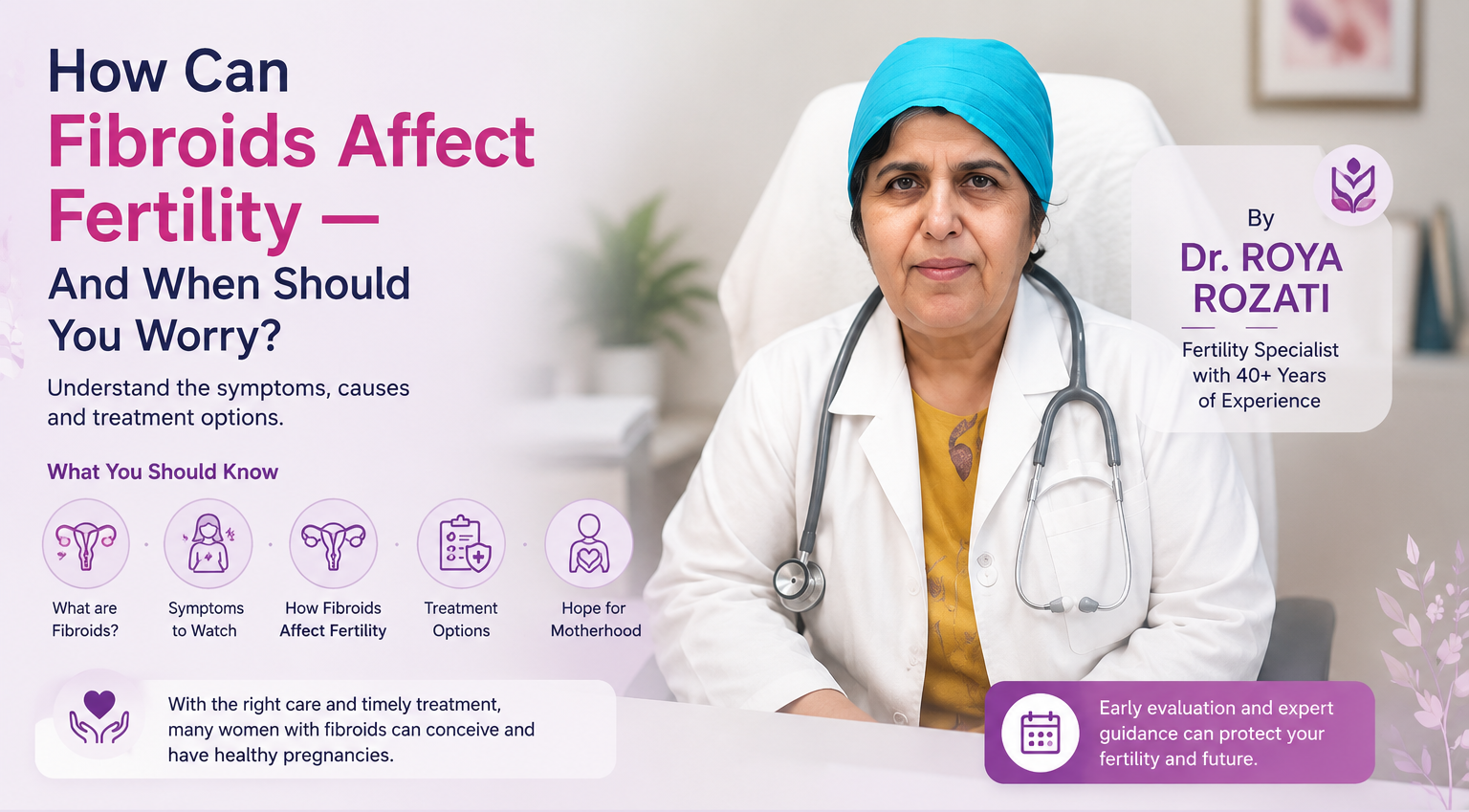
    How Can Fibroids Affect Fertility, and When Should You Worry?

    Many women discover they have fibroids during a routine scan or while trying to conceive. Naturally, the first question they ask is:

    “Are fibroids dangerous?”

    In most cases, fibroids are non-cancerous growths that develop in or around the uterus. They are very common, especially in women between the ages of 30 and 45. Many women may have fibroids without even knowing it.

    Some fibroids are small and cause no symptoms at all. Others may lead to heavy bleeding, painful periods, pelvic pressure, back pain, frequent urination, or difficulty becoming pregnant.

    Whether fibroids affect fertility depends largely on their size and location.

    Fibroids growing inside the cavity of the uterus can sometimes interfere with implantation of the embryo or increase the risk of miscarriage. Larger fibroids may also distort the shape of the uterus or affect blood flow needed for a healthy pregnancy.

    However, it is important not to panic. Not every fibroid requires surgery or aggressive treatment. Many women with fibroids conceive naturally and have healthy pregnancies.

    Treatment depends on several factors including the woman’s age, symptoms, fertility goals, size of the fibroids, and their location.

    In some cases, simple observation and monitoring may be enough. In other situations, medications or minimally invasive procedures may be advised.

    Today, medical science offers several effective ways to manage fibroids while preserving fertility whenever possible. The key is proper evaluation and individualized care.

    One mistake many women make is ignoring symptoms like heavy bleeding or severe pelvic pain for years. Early diagnosis allows doctors to guide treatment more safely and effectively before complications develop.

    With timely medical expertise, many women with fibroids can successfully protect their fertility and move toward healthy motherhood.

    To book an appointment with Dr. Roya Rozati, you can call or message MHRT Hospital on +91 98491 61421.

    MHRT Hospital – Banjara Hills
    8-2-120, H, 86/1A, Road Number 3, Banjara Hills,
    Hyderabad, Telangana 500034

    MHRT Hospital – Shivrampally
    Pillar No. 274, Prashant Colony,
    Beside Raj Marble Granite, Shivrampally, Hyderabad, Telangana

  • Male Infertility: Causes, Diagnosis, and Treatment Options in Hyderabad

    Infertility isn’t just a women’s issue—male factors contribute to nearly 40–50% of all infertility cases. Yet, many men hesitate to talk about it or seek help.


    At MHRT Hospitals, Hyderabad, Dr. Roya Rozati and her team provide comprehensive diagnosis and effective treatments for male infertility with sensitivity and expertise.

    What is Male Infertility?

    Male infertility refers to a man’s inability to cause pregnancy in a fertile female partner. This is usually due to problems with sperm production, sperm quality, or delivery of sperm.

    Common Causes of Male Infertility

    • Low sperm count (Oligospermia)
    • Poor sperm motility (slow or weak-moving sperm)
    • Abnormal sperm shape (morphology)
    • Varicocele – Enlarged veins in the scrotum
    • Hormonal imbalances
    • Lifestyle factors – smoking, alcohol, obesity, stress
    • Infections or past STDs
    • Exposure to heat, toxins, or radiation
    • Genetic conditions or undescended testicles

    Symptoms to Watch Out For

    Most men don’t experience obvious symptoms. However, some signs can include:

    • Difficulty with ejaculation or low volume of semen
    • Erectile dysfunction or reduced libido
    • Pain, swelling, or lump in the testicle
    • Past medical or surgical history affecting reproductive organs

    How is Male Infertility Diagnosed?

    At MHRT Hospitals, we begin with a thorough consultation and:

    • Semen analysis – to check sperm count, motility, and morphology
    • Hormone blood tests – to evaluate testosterone and other hormones
    • Scrotal ultrasound – to detect blockages, varicocele, or testicular damage
    • Genetic testing – in case of severe sperm abnormalities
    • Testicular biopsy – in some rare or non-obstructive azoospermia cases

    Treatment Options for Male Infertility

    Treatment depends on the root cause and may include:

    • Lifestyle changes – quitting smoking, weight loss, stress reduction
    • Medications or hormonal therapy – to improve sperm production
    • Surgical treatments – like varicocele repair or sperm retrieval (PESA, TESA)
    • Assisted Reproductive Techniques (ART) like:
      • IUI (Intrauterine Insemination)
      • IVF with ICSI – where a single sperm is injected into an egg

    Even in cases of zero sperm count, advanced techniques often offer solutions.

    Why MHRT Hospitals?

    • Expert evaluation by a multidisciplinary team
    • Advanced diagnostics and treatment options under one roof
    • Personalized care for every couple
    • One of the most experienced fertility teams in Hyderabad

    Male infertility is more common than you think—but it’s treatable.
    Ignoring it or delaying evaluation only makes the journey longer and harder.

    At MHRT Hospitals, we help couples face these challenges with expert care and complete privacy.

    📞 Book an Appointment

    If you’re struggling to conceive, it’s time to consult with Dr. Roya Rozati and take the first step.
    Visit 👉 www.drroyarozati.com
    📞 Call: 98491 61421