Tag: stress and infertility

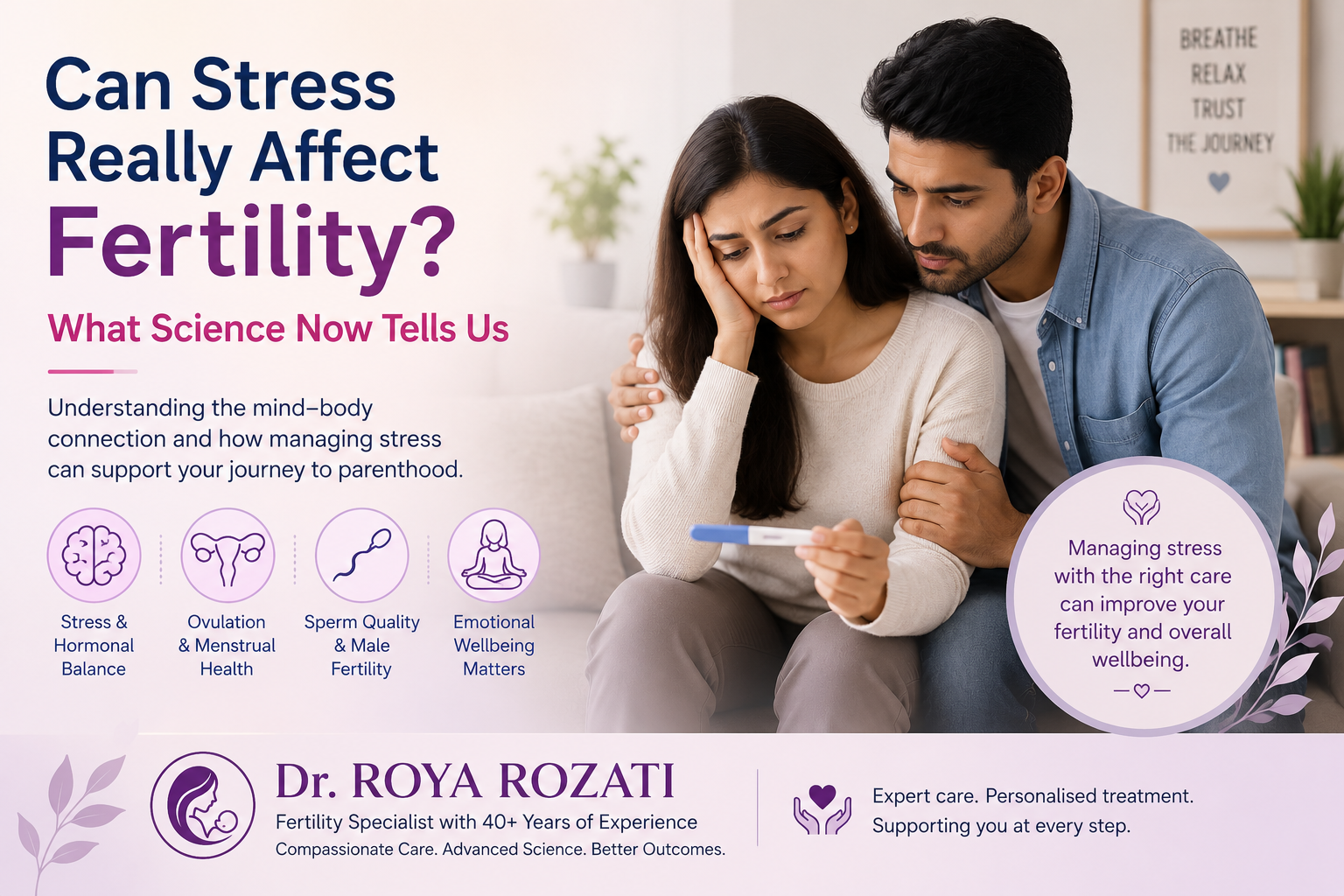
  • Can Stress Really Affect Fertility? What Science Now Tells Us

    Can Stress Really Affect Fertility? What Science Now Tells Us

    One of the most common questions couples ask me today is:

    “Can stress really stop pregnancy from happening?”

    The answer is not as simple as yes or no. But science clearly shows that long-term stress can affect fertility in both men and women.

    Stress is the body’s natural response to pressure or emotional strain. When stress becomes constant, the body releases hormones like cortisol and adrenaline in high amounts. Over time, these hormones can disturb the delicate balance needed for healthy reproduction.

    In women, stress may affect ovulation, which is the release of an egg from the ovary. Some women may notice delayed or irregular periods during stressful phases of life. In certain cases, stress may worsen conditions like PCOS or hormonal imbalance.

    In men, stress can affect sperm count, movement, and even sexual health. Poor sleep, anxiety, work pressure, and emotional exhaustion may quietly reduce reproductive health over time.

    Many couples also experience “fertility stress” — the emotional burden that comes from trying repeatedly to conceive. Month after month of disappointment can create fear, sadness, frustration, and strain on relationships. This emotional cycle itself can become overwhelming.

    However, it is important to understand that stress alone is usually not the only reason for infertility. Fertility is influenced by age, hormones, lifestyle, medical conditions, nutrition, and overall health.

    The encouraging news is that emotional well-being and medical treatment together can improve outcomes significantly. Small changes like better sleep, regular exercise, balanced eating, relaxation techniques, counseling, and timely medical guidance often help couples feel healthier both physically and emotionally.

    Fertility treatment today is not only about medicine and technology. It is also about understanding the emotional journey of every couple with compassion and care.

    If you have concerns about fertility, do not ignore the signs or delay evaluation. Many fertility-related conditions can be treated successfully when addressed early with proper medical expertise and timely support.

    To book an appointment with Dr. Roya Rozati, you can call or message MHRT Hospital on +91 98491 61421.

    MHRT Hospital – Banjara Hills
    8-2-120, H, 86/1A, Road Number 3, Banjara Hills,
    Hyderabad, Telangana 500034

    MHRT Hospital – Shivrampally
    Pillar No. 274, Prashant Colony,
    Beside Raj Marble Granite, Shivrampally, Hyderabad, Telangana

    This article explores the following themes:

    Stress and fertility, can stress cause infertility, fertility specialist Hyderabad, Dr Roya Rozati, stress and pregnancy, male infertility stress, female fertility health, ovulation and stress, sperm health, fertility counselling, infertility treatment Hyderabad, PCOS and stress, reproductive health, fertility care India, MHRT Hospital, emotional health and fertility, pregnancy planning, fertility awareness

  • 10 Natural Ways to Boost Fertility for Men and Women By Dr. Roya Rozati

    By Dr. Roya Rozati, Chief A.R.T. Specialist | MHRT Hospitals

    Looking to conceive naturally? Discover 10 proven natural ways to increase fertility in men and women. Improve your chances of pregnancy with these expert tips.


    Introduction

    Struggling to conceive? You’re not alone. In India, infertility affects about 1 in 6 couples, and while medical treatments like IVF and IUI are highly effective, many couples first look for natural ways to boost fertility.

    As a fertility specialist, I often get asked: “What can we do at home to increase our chances of getting pregnant naturally?” The good news is—there are several lifestyle and diet changes that can support reproductive health and improve your chances of conception.

    In this article, we’ll cover the top 10 natural fertility boosters for both men and women—backed by science and recommended by doctors.


    1. Maintain a Healthy Weight (BMI)

    Being either underweight or overweight can disrupt hormonal balance and ovulation in women and reduce sperm quality in men.

    📌 Tip: Aim for a BMI between 18.5 and 24.9. Even losing 5–10% of body weight can significantly improve fertility.


    2. Eat a Fertility-Friendly Diet

    A nutritious, balanced diet plays a major role in reproductive health. The Mediterranean diet is often recommended for both men and women trying to conceive.

    ✔️ Include:

    • Leafy greens, fresh fruits
    • Whole grains, legumes
    • Nuts and seeds (rich in zinc & selenium)
    • Healthy fats (olive oil, avocados)
    • Lean protein and omega-3s (fish, flaxseed)


    3. Avoid Smoking, Alcohol, and Excess Caffeine

    These substances can negatively impact both sperm and egg quality.

    📌 Limit caffeine to less than 200 mg/day (1-2 cups of coffee)
    📌 Avoid alcohol and quit smoking altogether


    4. Track Your Ovulation Cycle

    Understanding your fertile window is crucial when trying to conceive.

    📱 Use apps or ovulation predictor kits (OPKs) to track your cycle, especially if it’s irregular. The best time to try is during the 2–3 days before ovulation.


    5. Reduce Stress

    Chronic stress can interfere with reproductive hormones like FSH and LH, affecting ovulation and sperm production.

    🧘 Try yoga, meditation, or deep breathing exercises. Counseling or support groups can also help if you’re feeling emotionally overwhelmed.


    6. Exercise in Moderation

    Regular exercise helps balance hormones, improve insulin sensitivity, and reduce inflammation.

    ⚠️ But avoid excessive high-intensity workouts, especially if you’re underweight or already ovulating irregularly.


    lements, vitamins to increase sperm count, folic acid for pregnancy


    7. Limit Exposure to Toxins & Plastics

    Environmental toxins like BPA, phthalates, and pesticides can interfere with reproductive hormones.

    ✔️ Use glass containers, avoid processed foods, and choose organic produce when possible.


    8. Improve Sexual Health & Timing

    • Have sex every 2–3 days during your fertile window.
    • Avoid using lubricants that can harm sperm (use fertility-friendly lubricants instead).
    • Men should avoid hot baths, saunas, and tight underwear.


    9. Get a Fertility Check-Up Early

    If you’ve been trying to conceive for more than 12 months (or 6 months if the woman is over 35), it’s time to consult a fertility specialist.

    Early diagnosis and personalized guidance can save time, money, and emotional stress.


    Final Thoughts

    Conceiving naturally is possible for many couples—especially with the right lifestyle, nutrition, and awareness. These natural fertility boosters can help you optimise your health and increase your chances of pregnancy.

    If you’ve been trying for a while without success, don’t wait. Schedule a consultation with a fertility expert to explore all your options—both natural and medical.