By Dr. Roya Rozati
For some couples experiencing infertility, fertilisation can be difficult even when eggs and sperm are brought together in a laboratory. Intracytoplasmic sperm injection (ICSI) is a specialised technique used during an IVF cycle in which an embryologist injects a single sperm directly into a mature egg. At MHR T Hospitals, Hyderabad, Dr. Roya Rozati helps couples understand whether ICSI may be appropriate for their individual fertility needs.
What is ICSI treatment?
ICSI stands for Intracytoplasmic Sperm Injection. It is a laboratory fertilisation technique performed as part of in vitro fertilisation (IVF). In conventional IVF, prepared sperm are placed with an egg in a laboratory dish and fertilisation occurs without direct injection. In ICSI, an embryologist uses specialised micromanipulation equipment and a very fine needle to inject one selected sperm into the egg.
The aim is to help fertilisation take place when sperm-related factors or a previous fertilisation problem make conventional insemination less suitable. ICSI is not a separate pregnancy treatment by itself: after fertilisation, embryo development, transfer and pregnancy follow-up are managed as part of the IVF pathway.
When may a doctor recommend ICSI?
ICSI may be considered after reviewing both partners’ medical history and fertility investigations. Common situations include:
- Low sperm count: when the number of sperm available is very low.
- Poor sperm motility: when sperm movement may make fertilisation difficult.
- Abnormal sperm morphology: when sperm shape is significantly affected, considered alongside the complete semen analysis.
- Surgically retrieved sperm: when sperm are collected from the epididymis or testicle because they are not present in the ejaculate.
- Previous fertilisation failure: when no eggs, or very few eggs, fertilised in an earlier IVF attempt.
- Selected frozen-egg or genetic-testing situations: where the fertility specialist and embryology team consider ICSI appropriate.
ICSI is not automatically better than conventional IVF for every couple. Current professional guidance does not support routine ICSI for all patients without a male-factor indication or a relevant history of fertilisation failure. The recommended approach should be based on the clinical findings, expected benefits, limitations and cost.
How does the ICSI process work?
Although the fertilisation step is different, most of the treatment journey is similar to an IVF cycle. The exact plan and timing vary from patient to patient.
1. Fertility assessment and treatment planning
The fertility specialist reviews the couple’s history, relevant scans and blood tests, and semen analysis. Further tests may be advised when indicated. This assessment helps the team decide whether conventional IVF, ICSI or another option is appropriate.
2. Ovarian stimulation and egg retrieval
If IVF with ICSI is planned, medication is used to stimulate the ovaries to develop multiple follicles. The response is monitored, and eggs are collected through a planned procedure when they are ready. The male partner provides a semen sample, or previously arranged sperm retrieval may be used when medically indicated.
3. Sperm selection and microinjection
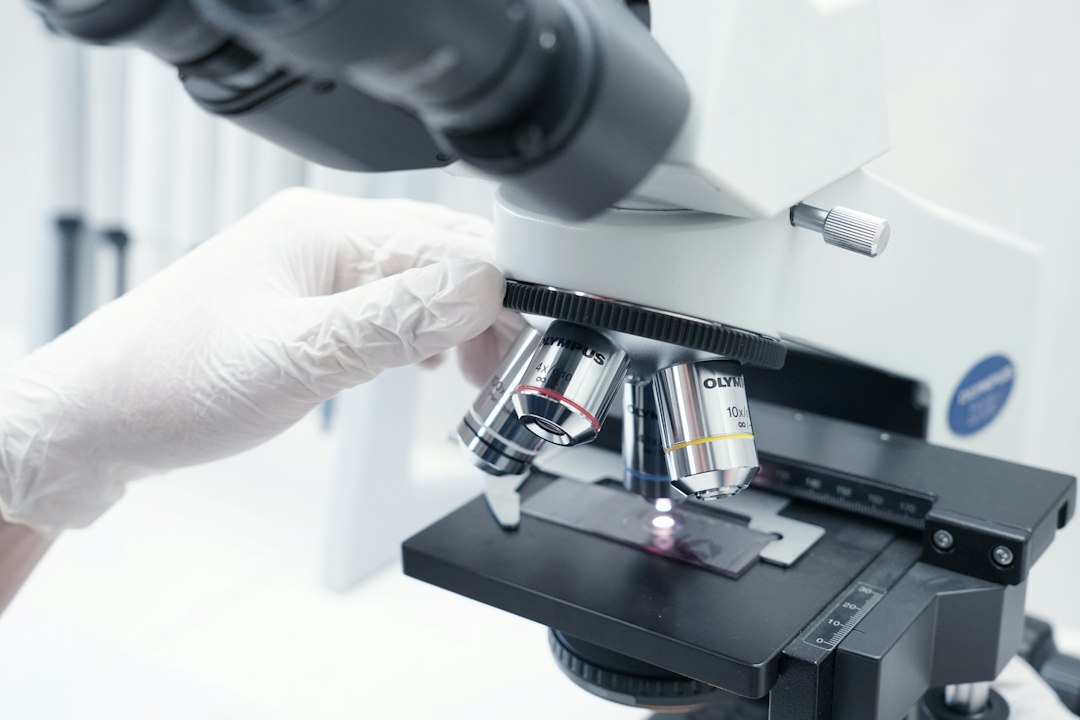
In the laboratory, the embryologist assesses the available sperm and selects one for each mature egg being treated with ICSI. Using a specialised microscope and micromanipulation equipment, the selected sperm is injected directly into the egg.
4. Fertilisation check and embryo development
The laboratory checks the eggs after injection to assess whether fertilisation has occurred. Eggs do not always fertilise, and not every fertilised egg continues developing. Embryos are monitored over the following days, and the treating team discusses the available options with the couple.
5. Embryo transfer or freezing
Depending on embryo development and the clinical plan, an embryo may be transferred to the uterus or suitable embryos may be frozen for a later cycle. A pregnancy test is scheduled at the appropriate time, followed by further care if the result is positive.
ICSI vs conventional IVF: what is the difference?
The main difference is how fertilisation is attempted in the laboratory. In conventional IVF, prepared sperm and eggs are placed together. In ICSI, one sperm is injected directly into each mature egg selected for the procedure. Both techniques require egg retrieval, laboratory embryo culture and, when appropriate, embryo transfer.
ICSI can help overcome certain sperm-related barriers to fertilisation, but it does not guarantee fertilisation, embryo development, implantation or pregnancy. It also does not correct every cause of infertility. Your specialist can explain why one method is being recommended in your circumstances.
What are the benefits and limitations of ICSI?
For appropriately selected couples, ICSI can make fertilisation possible when sperm may otherwise have difficulty entering the egg. It can be particularly useful in severe male-factor infertility, after certain sperm-retrieval procedures, or following a previous cycle with poor or failed fertilisation.
However, ICSI has limitations. Some eggs may be damaged during the injection, some may not fertilise, and some embryos may stop developing. A successful fertilisation result does not guarantee a pregnancy or live birth. The overall outcome also depends on factors such as egg and sperm quality, age, embryo development and the underlying cause of infertility.
As with IVF, treatment involves medical procedures and medication-related risks. The possible risks and any genetic considerations linked to the underlying cause of male infertility should be discussed with the fertility specialist before treatment. The clinic should explain the expected benefits, alternatives and costs for the individual case.
Is ICSI the right treatment for you?
There is no single fertility treatment that is right for everyone. A detailed evaluation of both partners is important before deciding on ICSI. Couples should feel comfortable asking why ICSI is being recommended, what the alternatives are, what the likely steps and costs will be, and what outcomes can realistically be expected.
Dr. Roya Rozati provides fertility consultations at MHR T Hospitals in Hyderabad, helping couples understand their diagnosis and available treatment options. The treatment plan is determined after reviewing each couple’s clinical needs rather than assuming that one technique is suitable for all.
ICSI treatment at MHR T Hospitals, Hyderabad
If you have been advised to consider ICSI, or if you have questions after a previous IVF cycle, a consultation can help clarify the next steps. Bring previous fertility reports, semen analysis results, scan reports and details of any earlier treatment so they can be reviewed during your appointment.
For appointments with Dr. Roya Rozati, contact her directly:
+91 98491 61421
You can also read our guides on understanding ICSI and what happens during an IVF cycle.
Frequently asked questions about ICSI
Is ICSI different from IVF?
ICSI is a fertilisation technique used within an IVF cycle. The key difference is that an embryologist injects one sperm directly into a mature egg rather than placing sperm and eggs together for fertilisation to occur in the laboratory dish.
Does ICSI guarantee pregnancy?
No. ICSI may help with fertilisation in selected cases, but it cannot guarantee that an egg will fertilise, an embryo will develop, implantation will occur or a pregnancy will result. Outcomes vary with individual clinical factors.
Is ICSI only for male infertility?
ICSI is most clearly established for certain male-factor fertility problems. It may also be considered in selected situations such as previous poor or failed fertilisation or use of frozen eggs. It is not routinely needed for every IVF patient.
How long does ICSI treatment take?
The active IVF-ICSI cycle commonly takes several weeks from the start of ovarian stimulation through egg retrieval and embryo transfer, but the exact timeline depends on the treatment protocol and whether a fresh or frozen embryo transfer is planned. Your clinic can provide a personalised schedule.
How can I consult Dr. Roya Rozati for ICSI treatment in Hyderabad?
For an appointment at MHR T Hospitals, contact Dr. Roya Rozati directly on +91 98491 61421.
Further reading
For additional patient information, see the Human Fertilisation and Embryology Authority’s guide to ICSI and the American Society for Reproductive Medicine’s 2026 committee opinion on ICSI for non-male-factor indications.
Medical information notice: This article is for general educational purposes and does not replace an individual consultation, diagnosis or treatment advice. The suitability of ICSI and its risks should be discussed with a qualified fertility specialist.
Leave a Reply